What we observe depends on the method with which we observe.
Aristotele
The sampling of atmospheric emissions is the basis for odour impact assessment and is a fundamental step in the study of odorous emissions. The quality and reliability of the data depend on it, which is essential for subsequent olfactometric analysis and the implementation of dispersion models.
The Laboratorio Olfattometrico sampling is an essential tool not only for the implementation of monitoring programs, but also for identifying the causes and possible solutions to odour-related problems within industrial processes, thus providing concrete technical support to companies and control bodies.
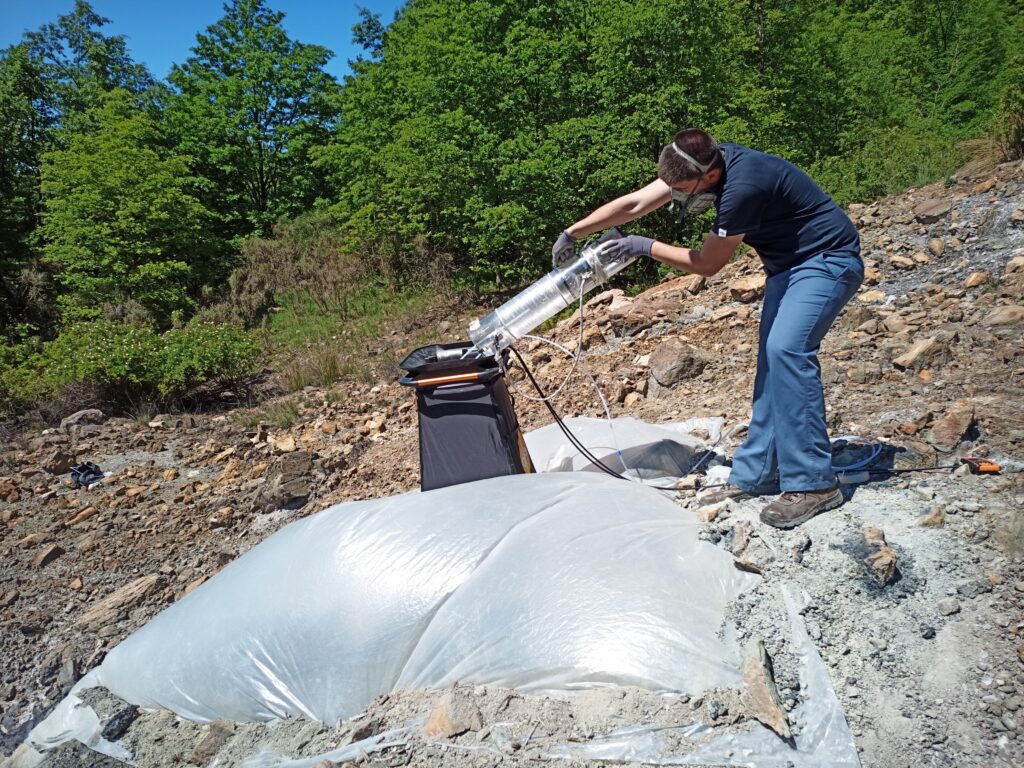
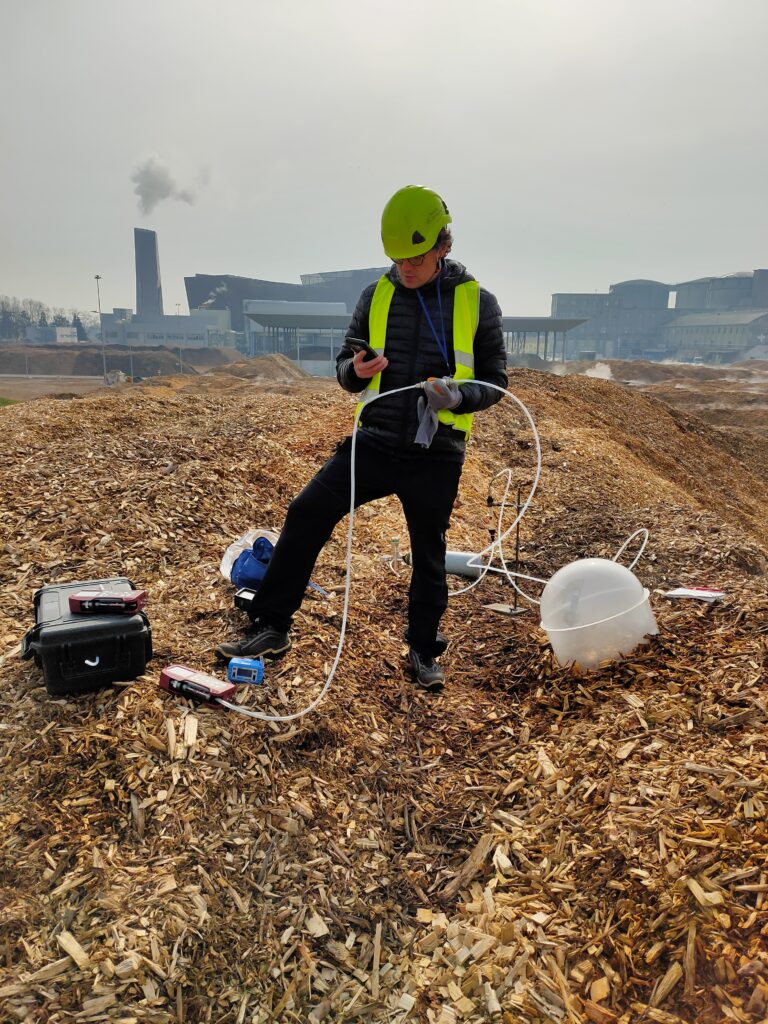
Laboratorio Olfattometrico, which has always been a pioneer in the development of sampling methods that allow the simulation of the emission process, carries out sampling in accordance with European technical standard EN 13725:2022 and according to the guidelines set out in MASE Decree No. 309/2023, using cutting-edge, innovative olfactometric instruments: this equipment is the result of our research and is now also used by various Italian and foreign laboratories.
Choosing the correct sampling method is necessary in order to characterise the odour source in a way that best represents the emission phenomenon to be described. To this end, for each type of emission, our laboratory chooses the most suitable sampling technique that can be as representative as possible of the source in question.
Specifically, the sampling methods we use are suitable for collecting:
- conveyed air flows (es. pipes, chimneys)
- air flows from area sources with their own flow (e.g. biofilters)
- air flows from large areas with natural ventilation (e.g. wastewater treatment tanks, piles of solid material)
- ambient air, air in the workplace
- fair flows from complex sources (e.g. aerated tanks, fixed and floating roof tanks)
- ventilation from fugitive emissions with unmeasurable volumetric flow rate
- emissions of natural endogenous gas
The development of new sampling methodologies dedicated to emission situations for which no standard protocol is currently available is an integral part of our research activity.